
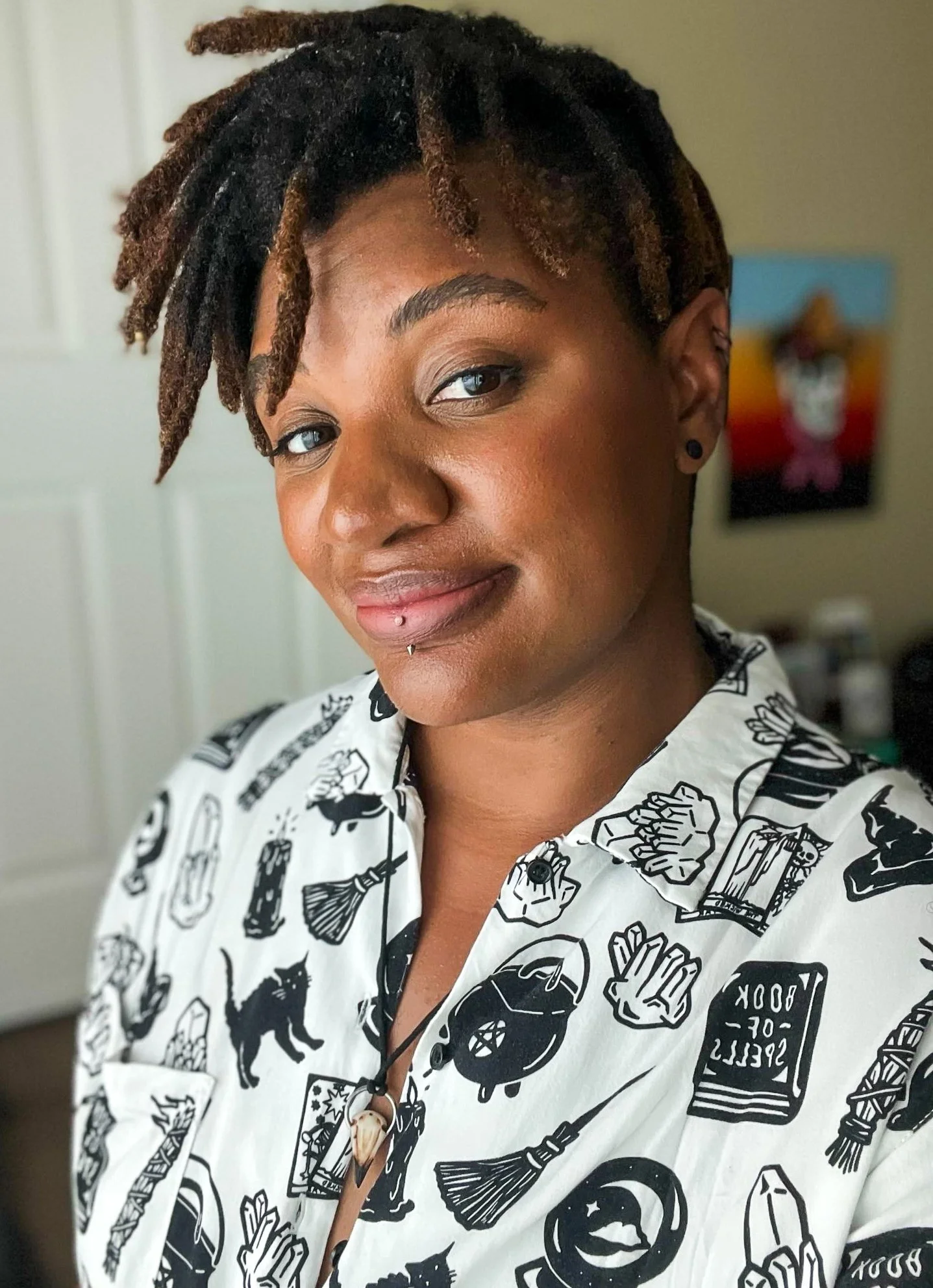
Hi, I’m Frankie Forrester (they/them).
MS, Professional Counselor Associate, NCC
My path to becoming a therapist began long before graduate school. I’ve spent much of my life working with children, adolescents, and families in a variety of settings, including childcare, nannying, outdoor education, elementary classrooms, and mental health counseling. Along the way, I discovered a deep appreciation for the ways people grow, adapt, make meaning of their experiences, and navigate relationships with themselves and others.
My academic journey reflects that same curiosity. I earned a Bachelor of Arts (2015) in Social Anthropology, where I explored identity, culture, relationships, and the stories that shape our understanding of ourselves and our communities. I later earned a Master of Arts in Teaching (2018) and worked as an elementary school educator for 2 years in a charter school before completing a Master of Science in Marriage, Couple, and Family Counseling (2023).
These experiences continue to shape the way I approach therapy today. Whether in a classroom, on a trail alongside horses, or in the therapy room, I have consistently been drawn to helping people better understand themselves, navigate challenges, and build meaningful connections. Working with horses has also reinforced my belief that growth often happens through relationship, presence, curiosity, and learning to listen to what is communicated beyond words.
I work with adolescents, young adults, transracial adoptees, LGBTQIA+ individuals, neurodivergent clients, and families navigating life’s challenges and transitions. Many of my clients come to therapy feeling overwhelmed, disconnected from themselves and/or others, uncertain about their next steps, or struggling to make sense of experiences that feel difficult to carry alone.
My approach is warm, collaborative, humorous, and affirming. I view therapy as a partnership rather than a process where someone else tells you what to do. Together, we’ll create a space where all parts of your experience are welcome. Through curiosity, authenticity, and a commitment to honoring your strengths, we’ll work toward goals that feel meaningful to you.
I draw from somatic, Gestalt, attachment-based, and person-centered approaches. This means therapy is about more than talking through problems. Together, we’ll slow down, get curious, and pay attention to what your thoughts, emotions, relationships, and body might be communicating. My goal is to help you reconnect with your strengths, deepen your understanding of yourself, and move through life with greater confidence, self-compassion, and trust in your own hands.
Theraputic Approaches
I don’t believe healing happens because we always find the perfect therapy model. Healing happens through curiosity, connection, and a willingness to better understand ourselves. The approaches below help guide my work, but every therapy experience is tailored to the unique needs, goals, and strengths of the person sitting across from me.
-
I believe you are the expert on your own life. My role is not to tell you who to be or what decisions to make, but to create a supportive space where you can explore your experiences, clarify what matters most to you, and move toward meaningful change. Therapy is a collaborative process built on trust, authenticity, and respect for your unique story.
-
Gestalt therapy encourages us to slow down and pay attention to what is happening in the present moment. Together, we’ll explore thoughts, emotions, behaviors, and relational patterns with curiosity rather than judgment. By increasing awareness of how you experience yourself and the world around you, new possibilities for growth and change can emerge.
-
Our bodies often hold information that words alone cannot fully express. A somatic approach invites us to pay attention to physical sensations, nervous system responses, and the ways our bodies communicate stress, safety, emotion, and connection. This does not mean intense body-focused exercises. Often, it simply means slowing down and noticing what your body may already be trying to tell you.
-
Our early relationships can shape how we experience connection, trust, belonging, and intimacy throughout our lives. An attachment-based approach helps us understand how past and present relationships influence the ways we relate to ourselves and others. Through greater awareness and self-compassion, we can begin creating new patterns that feel more secure, authentic, and fulfilling.
-
Trauma can impact how we think, feel, connect with others, and move through the world. A trauma-informed approach recognizes the ways difficult experiences can affect us while honoring your strengths, resilience, and capacity for healing. Therapy moves at a pace that feels safe and collaborative, with a focus on understanding rather than forcing change.Item description
Areas of Focus
Adolescents and teens
Young adults
Adoption and identity
LGBTQIA+ experiences
Neurodivergence
Life transitions
Family and relationship concerns
Self-esteem and self-discovery
Education & Credentials
Portland State University - Bachelor of Arts in Social Anthropology (2015)
Concordia University - Master of Arts in Teaching (2018)
Portland State University - Master of Science in Marriage, Couple, and Family Counseling (2023)
National Certified Counselor (NCC)
Professional Counselor Associate